Why Architectural Drawings Make Timeless Wall Art
Walk into almost any well-designed home and you'll notice a common thread. Among changing colour palettes, evolving furniture styles and shifting interior trends, certain artworks seem to remain relevant year after year. Architectural drawings are among them.
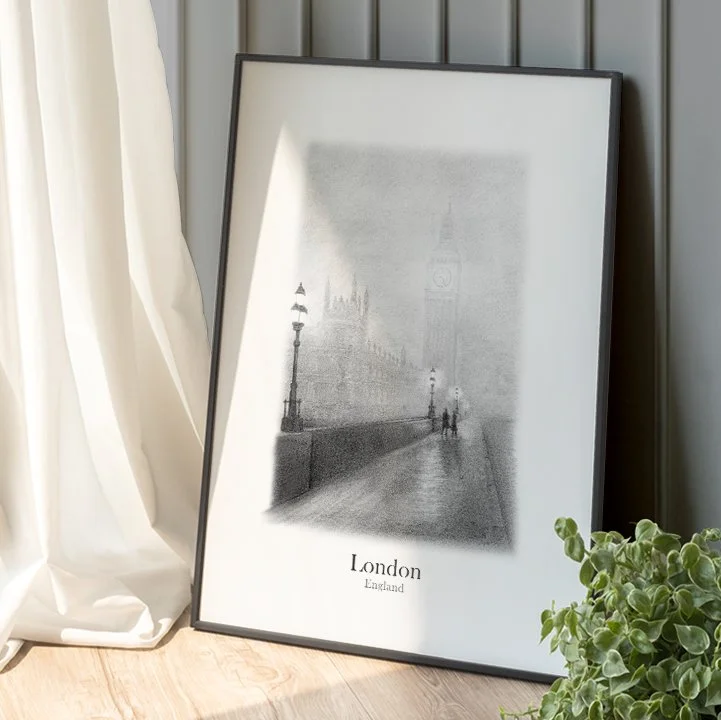
Whether depicting the intricate details of a Venetian campanile, the elegance of a Parisian boulevard, or the grandeur of a historic landmark, architectural artwork has a remarkable ability to feel both contemporary and enduring. While many decorative trends come and go, drawings of architecture continue to find a place in modern interiors.
But what is it that makes them so timeless?
They Capture Places, Not Trends
Many forms of wall art are closely tied to a particular moment in design. Colours, styles, and subjects that feel current today can quickly begin to date a room. Architecture operates differently.
The world's most admired buildings have often stood for centuries. They have witnessed changing cultures, fashions, and generations while retaining their significance and appeal.
When an architectural drawing captures one of these structures, it inherits some of that permanence. A carefully drawn study of St Mark's Campanile in Venice or a Parisian streetscape is not simply an image. It is a representation of a place that has endured. That gives architectural art a longevity that trend-led décor often struggles to achieve.
Architecture Tells a Story
The most compelling artwork often invites us to look beyond the surface. Architectural drawings do exactly that. Every building carries a story of its own. A cathedral reflects centuries of craftsmanship. A historic square reveals layers of cultural history. Even a simple street façade can speak to the character of a city and the people who shaped it.
For many collectors, this narrative quality is part of the appeal. Rather than filling a wall with something purely decorative, architectural artwork introduces a sense of place and history into a room. It encourages curiosity and creates a deeper connection between the viewer and the artwork.
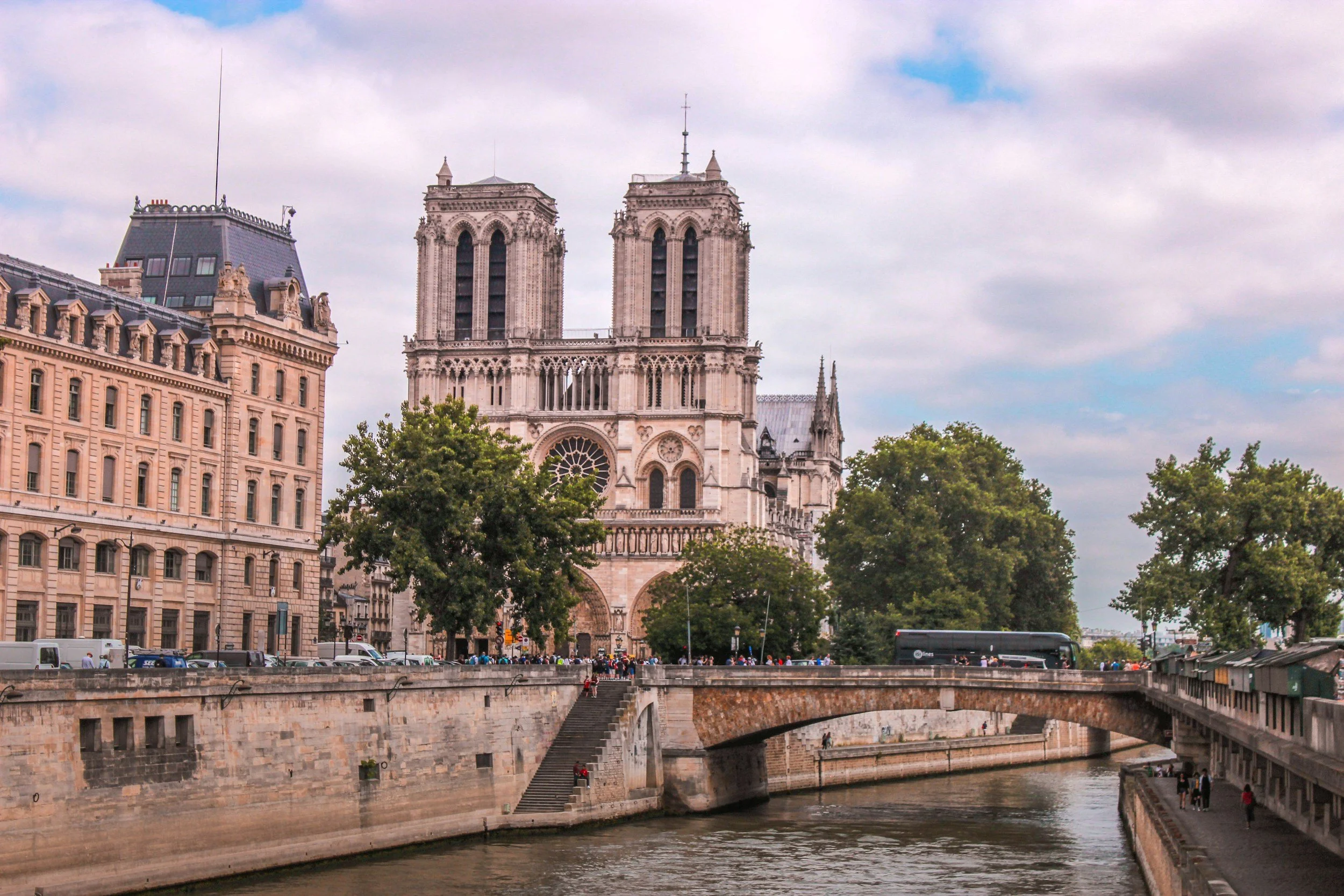
The Beauty of Detail
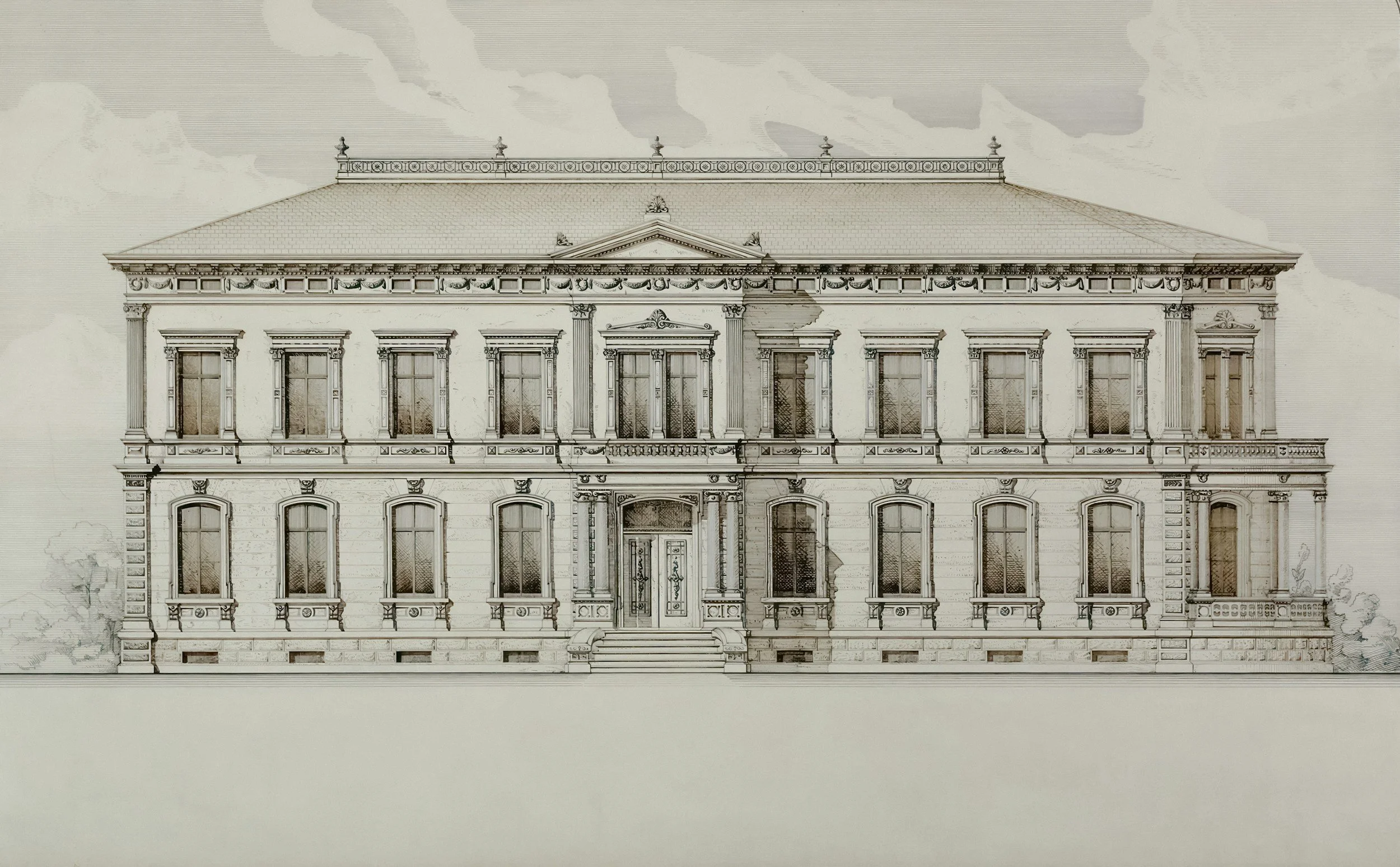
There is also something inherently satisfying about architectural drawing as a craft. Long before digital rendering tools existed, architects and artists relied on observation, patience, and technical skill to record the built world. Every line served a purpose. Every shadow helped describe form. That attention to detail remains one of the defining characteristics of architectural artwork today.
Hand-drawn architectural studies often reveal elements that are easily overlooked in photographs. Stonework, ornamentation, proportions, and structural details become the focus.
The result is artwork that rewards repeated viewing. The longer you spend with it, the more you discover.

Architectural Art Works in Almost Any Interior
One reason architectural drawings remain popular is their versatility. Unlike highly trend-driven artwork, architectural subjects tend to complement a wide range of interior styles.
They can feel equally at home in:
Contemporary apartments
Traditional period properties
Minimalist interiors
Eclectic, collected spaces
Their strength lies in their balance. Architectural drawings often possess enough detail to create interest while maintaining a sense of order and structure. This makes them particularly effective as statement pieces, whether displayed individually or as part of a wider gallery wall.
A Connection to Travel and Memory
For many people, architecture is inseparable from travel. The buildings we remember often become symbols of the places we have visited. A sketch of a Venetian bell tower may evoke memories of wandering through narrow streets at sunrise. A drawing of a Parisian landmark can transport us back to a favourite journey.
This emotional connection gives architectural artwork a unique quality. It allows us to bring a small piece of a meaningful place into our everyday surroundings. In a world where many interiors are becoming increasingly personal, this sense of connection has never felt more relevant.

Why Hand-Drawn Architecture Feels Different
Photography can capture a building with remarkable accuracy. Yet hand-drawn architectural artwork offers something photography often cannot. Interpretation. An artist decides which details to emphasise, which lines to simplify, and how to guide the viewer's eye through the composition.
The drawing becomes more than a record of a building. It becomes a personal response to it. This human element introduces warmth and character that many collectors find particularly appealing.
In an increasingly AI driven world, the evidence of the artist's hand feels valuable in its own right.
The Enduring Appeal of Architectural Drawings
Interior design trends will continue to evolve. Colours will change. Furniture styles will come and go. Architecture, however, occupies a different place. It connects art with history, craftsmanship, travel and design. It celebrates places that have stood the test of time and translates them into artwork that can be enjoyed every day.
Perhaps that is why architectural drawings continue to resonate across generations. They are not simply pictures of buildings. They are studies of place, memory and human creativity. And that is what makes them timeless wall art.